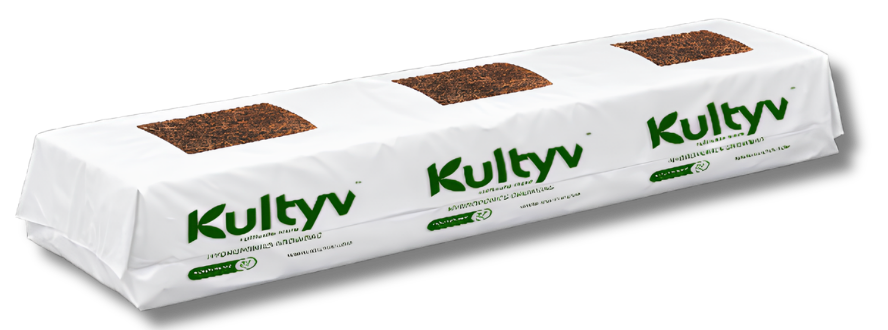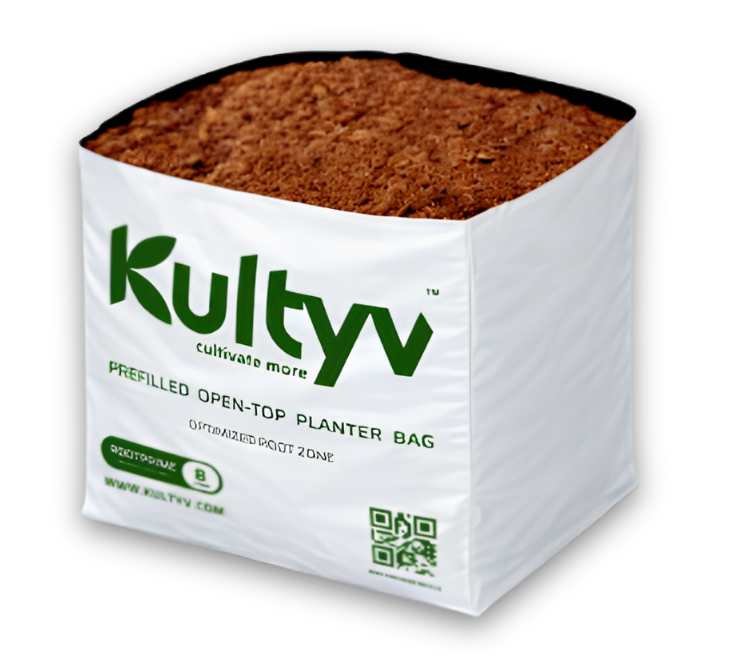
Consistent moisture. Clean low EC start. Formulated for the deep root system and high-yield demands of commercial hydroponic tomato production.
Tomato is the most widely cultivated vegetable in India and a cornerstone crop for commercial polyhouse farmers. With enormous domestic demand and growing interest in premium hydroponic varieties for urban markets, commercial hydroponic tomato production offers significant revenue potential.
The hydroponic coco peat growbag system is the standard approach for commercial tomato production in India. It allows growers to manage root zone EC, pH, and moisture with precision — leading to higher quality fruit, more uniform sizing, and consistent yields across long 8–10 month crop cycles.
Tomato is a deep-rooted, vigorous crop that places high demands on substrate performance over its long production season. A triple washed, low EC substrate with balanced AFP and WHC is the foundation of every productive tomato crop.
Maharashtra (Nashik, Pune, Sangli), Gujarat — largest commercial polyhouse tomato regions in India
Crop cycle: 8–10 months | Year-round production under polyhouse possible
Karnataka, Andhra Pradesh, Himachal Pradesh, Haryana — significant polyhouse tomato cultivation
System: Drip growbag | Varieties: Cherry tomato, beefsteak, hybrid varieties
Blossom end rot is one of the most common and damaging quality issues in commercial tomato production. It is caused by calcium deficiency at the developing fruit — often triggered by inconsistent moisture levels in the root zone that prevent calcium uptake even when calcium is present in the nutrient solution.
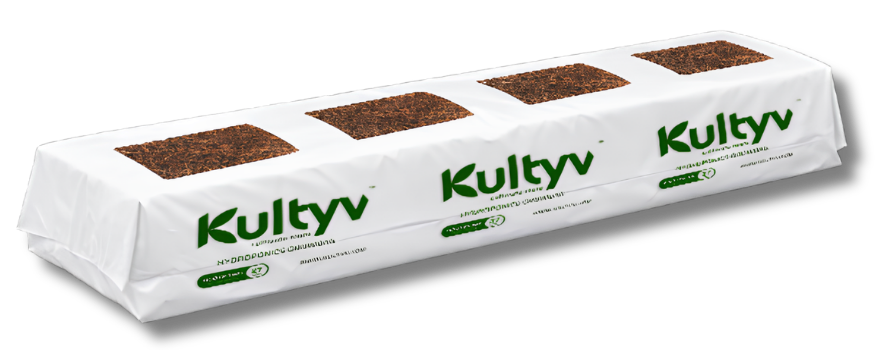
Kultyv RootPrime's balanced WHC ensures the root zone maintains consistent moisture between irrigation events — preventing the dry spells that disrupt calcium transport to developing fruit. Consistent moisture in the substrate is the substrate's primary contribution to blossom end rot prevention.
In 8–10 month tomato crops, substrate quality directly impacts the second half of production. Generic coco peat compacts over time, reducing AFP and creating wet zones that harbour Pythium and Fusarium root pathogens. Yield and fruit quality often decline noticeably from month five onwards in poor-quality substrate.
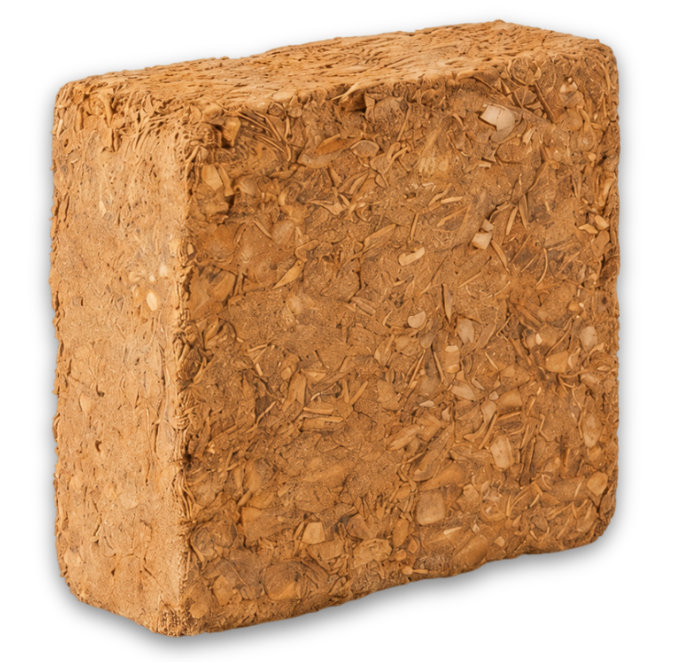
Kultyv RootPrime's husk chips component maintains structural stability throughout a long tomato crop cycle. The consistent AFP profile ensures oxygen reaches deep roots in month eight as effectively as in month one — supporting sustained root health and production right to the final harvest.
Tomato requires precise EC management during different growth stages — lower EC during vegetative growth, higher during fruit set and development. Generic coco peat blocks with inconsistent starting EC make it extremely difficult to manage the crop's EC program accurately from the start.
Kultyv RootPrime triple washed grade delivers EC < 0.8 mS/cm consistently on every batch. This predictable clean baseline gives tomato growers full control over their nutrient solution EC program from transplanting — a critical advantage for hitting quality targets across a long production season.