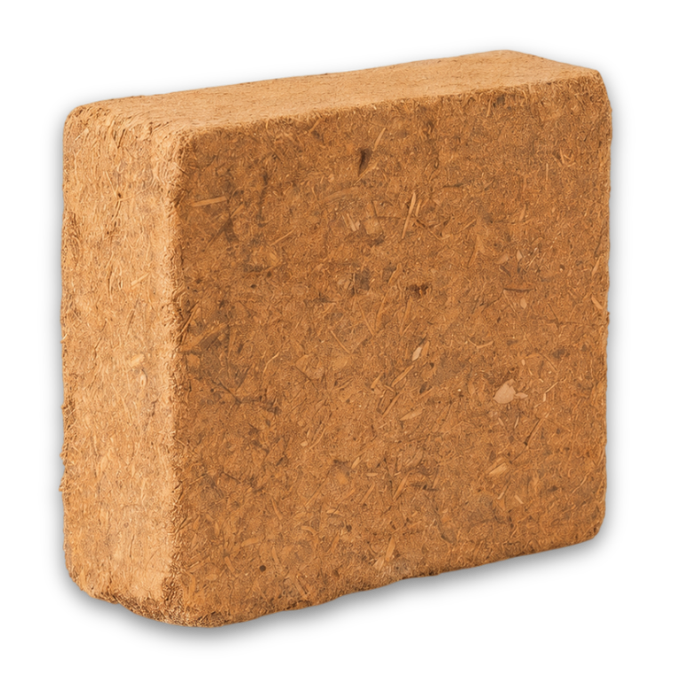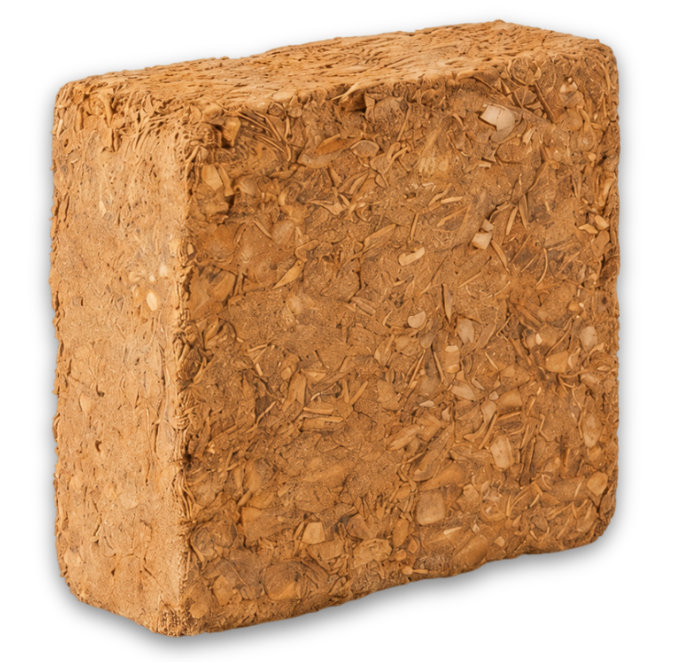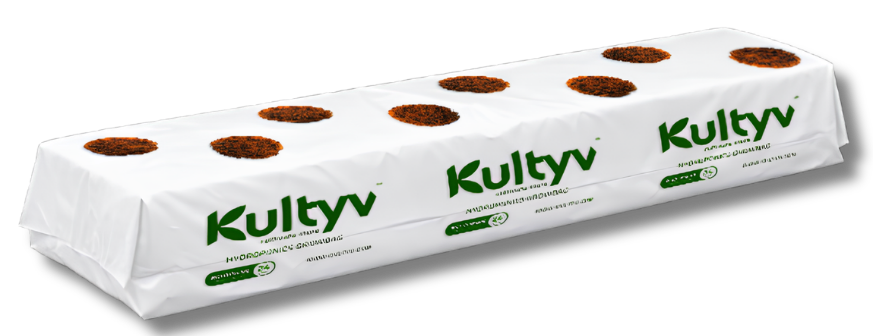
Triple washed. Consistently low EC. Formulated to support uniform fruiting across every harvest cycle.
Strawberry cultivation in India has grown rapidly over the past decade. From the hillside farms of Mahabaleshwar and Himachal Pradesh to year-round polyhouse operations in Ooty, commercial growers across India are increasingly adopting hydroponic growbag systems for cleaner, more consistent results.
The hydroponic growbag system is the most widely used method for commercial strawberry production in India. It offers precise control over the root zone environment — the single most important factor in strawberry yield and fruit uniformity.
At the heart of every successful hydroponic strawberry setup is the substrate. The right blend determines moisture availability, root aeration, drainage, and ultimately — the consistency of every harvest.
Himachal Pradesh, Kashmir Valley, Nainital & Dehradun (Uttarakhand)
Season: Plant Oct–Nov | Harvest Jan–Mar
Mahabaleshwar (Maharashtra), Ooty & Nilgiris (Tamil Nadu), Kalimpong (West Bengal)
Season: Plant Jun–Sep | Harvest Nov–Apr (Ooty: year-round)
Strawberry roots are shallow and sensitive to moisture stress. A substrate with high water holding capacity maintains the consistent root zone moisture that uniform fruiting requires.
Strawberry is sensitive to substrate EC. High residual salts in the growing media can cause fruit size reduction and uneven ripening. A consistently low EC substrate ensures uniform harvests.
Waterlogging is one of the most common causes of root rot in strawberry. A substrate with proper drainage and structure protects the root zone from harmful conditions.
Blueberry requires a substrate pH of 4.5–5.5, significantly lower than most crops. Generic coco peat is often too alkaline, which can lock out key nutrients and trigger iron and manganese deficiencies, resulting in yellowing leaves and poor fruit set.
Kultyv AirMax and DrainPro provide a neutral, stable substrate foundation that can be accurately adjusted downward during rehydration. Their consistent structure helps maintain root zone pH more reliably than inconsistent generic substrates.
Blueberry roots are extremely sensitive to waterlogged conditions. Dense substrates with poor air-filled porosity can create anaerobic zones, increasing the risk of Phytophthora root rot — one of the most damaging diseases in commercial blueberry production.
Kultyv AirMax’s 70% husk chips composition delivers exceptional drainage and superior root aeration, ensuring rapid moisture movement and dramatically reducing waterlogging risk in long-cycle blueberry systems.
Blueberry is a perennial crop with long production cycles. Low-quality substrates can compact over time, losing structure and creating anaerobic zones that compromise root health and reduce long-term productivity.
Kultyv’s high husk chips content resists compaction over multiple seasons, preserving consistent AFP and WHC performance year after year — ideal for sustaining healthy blueberry root systems across long-term cultivation.