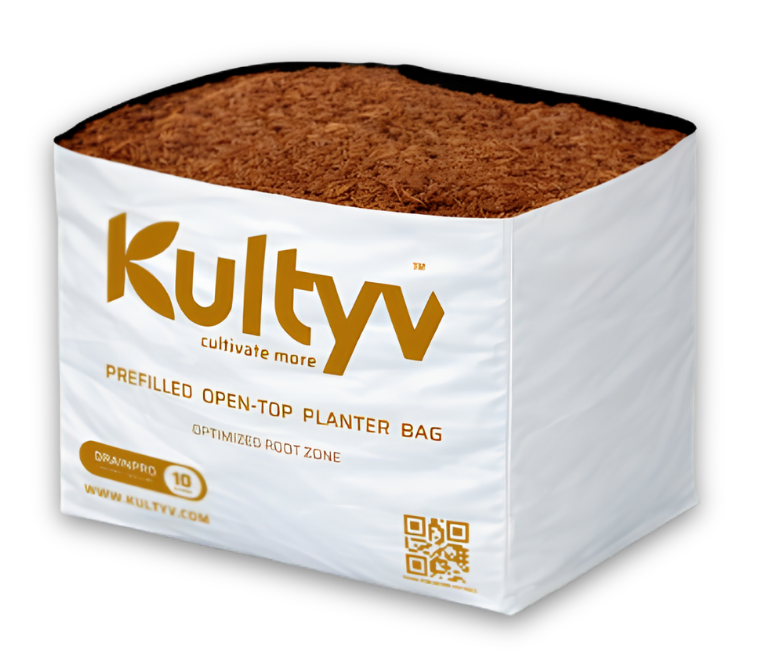
Balanced drainage. Root zone protection. Engineered to support healthy cane development and consistent fruiting across every growing cycle.
Raspberry cultivation is gaining traction across India’s cooler hill regions and controlled polyhouse environments. With growing demand for fresh and processed berries in urban markets, hotels, and food processing, raspberries represent a high-value commercial opportunity for growers willing to invest in the right growing system.
Raspberries are best suited to temperate climates with cool summers and mild winters. In India, this translates to hill regions and polyhouse setups where temperature can be managed. The hydroponic open-top planter bag system is the preferred growing method — offering precise drainage control critical for healthy cane development.
The single most important success factor in raspberry cultivation is drainage. Raspberry canes are highly sensitive to waterlogging. The substrate is not optional — it is the primary root zone management tool.
Himachal Pradesh, Uttarakhand, J&K — naturally suited to cool summer conditions for raspberry
Season: Plant spring | Harvest: Summer–Autumn depending on variety
Maharashtra (Pune), Karnataka — controlled polyhouse systems using primocane varieties like Heritage Red, Autumn Bliss
Season: Year-round possible with staggered cycles | Harvest: 12 months/year possible
Raspberry is highly susceptible to Phytophthora root rot and crown rot — both caused by persistently wet root zone conditions. In dense substrates with poor drainage, even a single period of overwatering can trigger root rot that spreads rapidly through an entire planting.
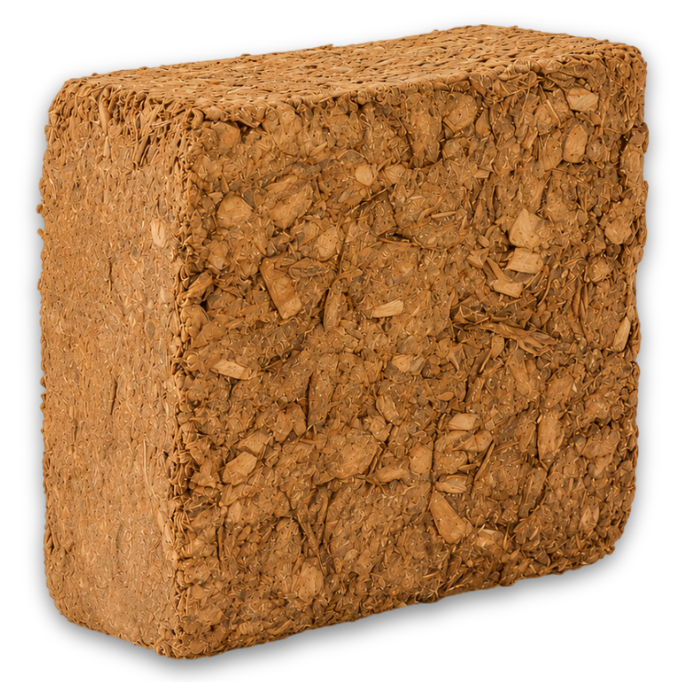
Kultyv DrainPro's 50% husk chips content creates a substrate with strong drainage pathways — water moves through the root zone quickly after each irrigation cycle, preventing anaerobic conditions. This physical structure is the primary defence against root and crown rot in raspberry.
Raspberry is moderately sensitive to elevated substrate EC. Generic or poorly washed coco peat blocks deliver excess residual salts into the root zone from day one. As the crop progresses, salt accumulation increases — causing root tip damage, poor water uptake, and reduced fruit quality.
Every Kultyv DrainPro block is triple washed and guaranteed at EC < 0.5 mS/cm on washed grade. Starting with a clean, low EC substrate gives you full control over root zone salinity from planting — critical for managing raspberry crop quality over long production cycles.
Raspberry is grown in planter bags for extended periods. Over time, pure coco peat substrates compact and lose their structure — reducing AFP, increasing waterlogging risk, and ultimately compromising root health in established plants. Replacing substrate in productive plants is costly and disruptive.
DrainPro's husk chips component provides structural stability that resists compaction over multiple crop cycles. The balanced AFP and WHC profile is maintained throughout the growing season — supporting consistent cane health and fruit production without substrate replacement.